
7 Common FBA Reimbursement Issues Every Seller Should Know


Amazon sellers lose thousands each year due to FBA errors, and with new rules starting March 2025, reimbursements are now based on manufacturing costs instead of sales prices. Plus, claim windows have shrunk to just 60 days for most issues. Here's a quick breakdown of the 7 most common problems sellers face - and how to fix them:
Missing or Damaged Inventory: 3% of inventory is lost or damaged yearly. Regular audits and detailed documentation can recover 50-75% of these losses.
Wrong FBA Fees: Up to 20% of inventory is misclassified, leading to overcharges. Use Amazon tools to verify size, weight, and fees.
Customer Return Errors: 30% of returned items are unsellable. Monitor returns closely and track discrepancies.
2025 Rule Changes: Claims now require manufacturing cost data and stricter deadlines - prepare by automating tracking and keeping records.
Removal Order Issues: Reduced timelines (15-75 days) mean faster action is required. Keep removal receipts and verify shipments.
Missing Claim Documents: Claims with complete documentation are 78% more likely to be approved. Organize invoices, photos, and reports.
Hidden FBA Fee Errors: Regular audits help recover 2-5% of FBA costs annually. Check for misclassifications, duplicate charges, and storage fee mistakes.
Quick Comparison of Key 2025 Rule Changes
Aspect | Old Rules | New Rules (March 2025) |
|---|---|---|
Reimbursement Basis | Selling price | Manufacturing cost |
Claim Window (US) | 18 months | 60 days |
Return Claims | Not specified | 60-120 days |
Removal Claims | Not specified | 15-75 days |
Take Action Now: Tighten your documentation, automate audits, and track claims daily to avoid missing out on reimbursements under the stricter 2025 policies.
Amazon FBA Reimbursement Policy Changes for 2025: What Sellers Need to Know
1. Missing or Damaged Inventory at FBA Centers
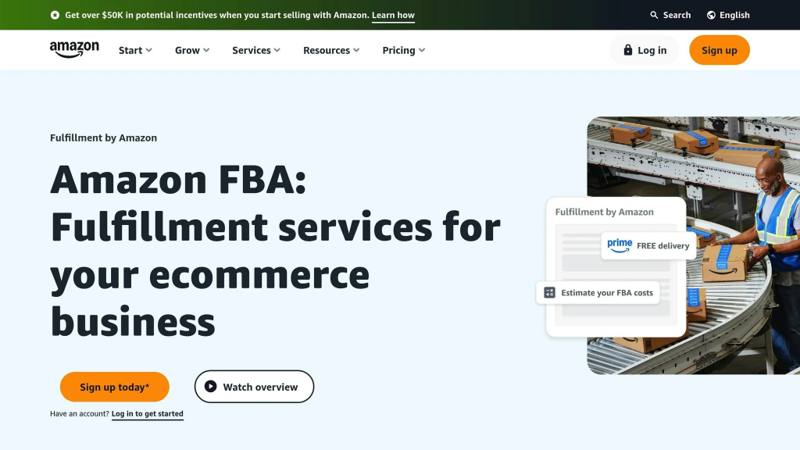
Missing or damaged inventory is a major concern for sellers using FBA (Fulfillment by Amazon). With Amazon's strict timelines, addressing these issues quickly is crucial. On average, around 3% of inventory is lost or damaged each year in fulfillment centers.
Why Inventory Goes Missing
The complexity of Amazon's operations often leads to inventory issues. Common reasons include:
Mishandling during the receiving process
Incorrect labeling
Items misplaced within warehouses
Damage during transfers between facilities
According to a study by SellerEngine, 71% of FBA sellers have faced inventory discrepancies. For a seller generating $100,000 annually, this can mean losses of $2,000-$3,000 each year. However, it's possible to recover 50-75% of these losses through claims.
Finding and Fixing Inventory Problems
Sellers have a 60-day window to identify and report inventory issues. To stay on top of potential problems, follow these tracking practices:
Daily checks: Use the Inventory Adjustments Report to reconcile discrepancies.
Weekly reviews: Check the Damaged Inventory Report for any new issues.
Immediate verification: Confirm shipments using the Received Inventory Report as soon as they arrive.
Monthly audits: Conduct a thorough review with the Inventory Health Report.
For successful reimbursement claims, detailed documentation is key. Keep records such as:
Original shipment manifests with accurate item counts
Tracking details for all inbound shipments
Regular reconciliation reports
Photos as evidence of item condition
Amazon typically processes claims with proper documentation within 5-8 business days. Many top-performing sellers streamline this process by using Amazon-integrated software. Additionally, improving packaging - like using reinforced boxes or bubble wrap for fragile items - can cut down damage rates by as much as 30%.
These practices not only help address missing or damaged inventory but also lay the groundwork for handling other challenges, such as fee errors or return issues.
2. Wrong FBA Fees from Size and Weight Errors
After inventory tracking issues, errors in size and weight measurements are another major challenge for sellers seeking reimbursements. These mistakes in FBA fees due to incorrect measurements cost sellers millions each year, with up to 20% of inventory potentially misclassified. Combined with inventory tracking problems, these errors make reimbursements even more difficult.
Why Fee Errors Happen
Measurement errors in Amazon's FBA system can occur in several ways. Common causes include manual data entry mistakes, outdated packaging details in Amazon's system, and mismatches between a product's actual dimensions and its manufacturer specifications.
Even minor changes can result in higher fees when automated scanners in fulfillment centers remeasure products. Amazon enforces a tight tolerance of just 1/4 inch (6.35 mm) for length and width measurements, so precision is key. These inaccuracies can lead to higher storage, fulfillment, and shipping fees due to misclassification into more expensive tiers.
How to Get Fee Refunds
Amazon gives sellers a 90-day window to claim refunds, requiring a methodical 4-step process.
To recover overpaid fees, follow these steps:
Use the Fee Preview tool to audit your listings.
Take timestamped photos to document the correct dimensions and weight.
Submit a claim through Seller Central, including SKU/ASIN details.
Track the case for 7-14 days to ensure resolution.
"Even small discrepancies in measurements can lead to significant fee differences over time. Regular auditing and prompt correction of measurement errors are crucial for optimizing FBA reimbursements."
To avoid similar issues in the future, establish strict measurement protocols. Use calibrated digital calipers for precise dimensions and postal scales for accurate weight readings.
Correcting these fee errors is a crucial step before addressing other challenges, such as discrepancies in customer returns.
3. Customer Return Mistakes
Customer returns bring their own set of challenges, often complicating reimbursement processes. In 2023, 65% of sellers reported facing issues related to returns. With return rates typically between 5-15% - and some categories reaching as high as 40% - these problems can significantly affect reimbursement claims.
Common Return Issues
Returns can lead to several problems that directly impact reimbursement eligibility. Around 30% of returned items end up unsellable, posing a major challenge for sellers.
Here are some common return-related discrepancies:
Lost returns: Items that never make it back to inventory (check the Manage Returns report).
Incorrect refund amounts: Refund errors that can be tracked using the Reimbursements report.
Condition mismatches: Items marked as unsellable or in the wrong condition (identified through inventory checks).
Late returns: Items returned outside the allowed timeframe (monitored via the Return Performance dashboard).
While Amazon’s automated return system is designed for customer convenience, it can sometimes result in errors, such as incorrect refunds or misjudged item conditions. In some cases, items are disposed of prematurely without proper inspection, leading to inventory inconsistencies and further reimbursement challenges.
Addressing Return Errors
To tackle return-related mistakes and secure reimbursements, sellers can follow a three-step approach:
Monitor Regularly: Use the Return Performance dashboard to identify patterns and recurring problems.
Track Key Items: Flag high-value returns in Seller Central for closer monitoring.
Leverage Documentation: Use Amazon’s Prepaid Return Label system to ensure better tracking and documentation.
Unresolved return issues can lead to mismatched inventory records, complicating future claims. By consistently monitoring returns and using Amazon’s tools, sellers can improve their chances of maintaining reimbursement eligibility and navigating the platform’s rules effectively.
4. 2025 Reimbursement Rule Changes
The upcoming 2025 reimbursement rule changes bring major updates that sellers need to address carefully. Starting March 10, 2025, Amazon is overhauling its FBA reimbursement system with new compensation structures.
New vs Old Rules
Here’s how the new rules compare to the current system:
Aspect | Old Rules | New Rules |
|---|---|---|
Reimbursement Basis | Item's selling price | Manufacturing cost |
Claim Window (US) | 18 months | 60 days |
Return Claims | Not specified | 60-120 days |
Removal Claims | Not specified | 15-75 days |
Key changes include:
Amazon will now base reimbursements on manufacturing costs rather than selling prices.
Sellers must provide cost data through the Inventory Defect and Reimbursement portal.
Starting January 15, 2025, reimbursements for lost or damaged inventory will be processed automatically.
Meeting New Requirements
To stay compliant and avoid losses, sellers should take these steps:
Key Preparations:
Track manufacturing costs: Keep detailed records of production expenses.
Weekly inventory checks: Train your team to follow the updated protocols.
Automation tools: Use systems to monitor claims and deadlines.
The new rules introduce tighter deadlines for claims:
60 days for fulfillment center issues.
60-120 days for customer return claims.
15-75 days for removal order claims.
Important Details:
Reimbursements will exclude shipping, labeling, and packaging costs.
The $5,000 per-item reimbursement cap remains unchanged.
With these compressed timelines, sellers must prioritize accurate documentation and systematic tracking. Using Amazon's Reimbursement portal effectively by early 2025 will help maintain recovery rates under these stricter rules.
5. Removal Order Problems
For FBA sellers, removal order issues can be a tough hurdle, especially with Amazon's updated reimbursement policies. The stricter deadlines introduced as part of the 2025 rule changes mean sellers must adjust their workflows. If not managed correctly, these issues can lower recoverable manufacturing costs and impact reimbursement eligibility.
Removal Order Claim Risks
The shorter timelines for removal claims have introduced several challenges. Sellers now have just 15-75 days for transit-related claims and 60 days for post-delivery issues. This is a sharp drop from the previous 18-month claim window.
Here are some common risks and how to address them:
Risk Type | Impact | Prevention Strategy |
|---|---|---|
Lost Transit Items | Permanent inventory loss | Use barcode verification systems |
Damaged Goods | Reduced resale value | Take pre-removal photos |
Documentation Gaps | Denied claims | Maintain centralized records |
Submitting Removal Claims
To improve your chances of reimbursement, focus on a systematic approach to managing removal orders. Start by gathering all necessary documentation.
Key Documents to Keep: Removal order confirmations, barcode verification records, and manufacturing cost details for the items being removed.
Tips for Filing Successful Claims:
Confirm removal order receipts within 48 hours.
Log any discrepancies with timestamps.
Submit claims before the 15-day minimum deadline.
For high-value or complex cases, consider using inventory management software that syncs with Amazon's API for better tracking and claim accuracy.
6. Missing Claim Documents
Incomplete documentation is one of the biggest obstacles when filing for FBA reimbursements. A 2024 study by FBA Reimbursement Solutions found that claims with all necessary documents are 78% more likely to be approved compared to those missing key records. With Amazon's updated 2025 requirements, keeping your paperwork in order is more important than ever for recovering lost revenue.
Required Documents
Amazon's documentation requirements vary depending on the type of claim. Here's a breakdown of what you’ll need:
Claim Type | Required Documents |
|---|---|
Lost/Damaged Inventory | - Invoices |
Fee Disputes | - Shipping manifests |
Customer Returns | - Return tracking information |
Even a single missing document can lead to an immediate denial of your claim.
Document Organization Tips
Staying organized is key to avoiding rejected claims. Here are some practical tips:
Set Up a Digital Storage System
Create folders categorized by claim type, SKU, and incident date.
Leverage Automation Tools
Refunzo can help by automating document categorization and offering real-time tracking with cloud integration.
Follow These Best Practices:
Use consistent file names, such as "2025-02-17_SKU123_DamageClaim."
Regularly back up documents to cloud storage.
Maintain a master spreadsheet linking each claim to its supporting documents.
Keep records for at least 18 months to account for any policy exceptions.
Proper documentation is especially important for auditing hidden fee errors, where incomplete records can obscure recurring issues. Staying organized not only improves your chances of approval but also helps uncover potential revenue leaks.
7. Hidden FBA Fee Errors
Hidden FBA fee errors can quietly chip away at your profits. Unlike obvious inventory losses, these errors are harder to spot and require consistent effort to uncover. According to a 2024 industry survey, 67% of Amazon sellers have faced FBA fee errors at least once, and regular audits help recover 2-5% of total FBA costs annually.
Common Fee Mistakes
These issues often occur alongside return and documentation problems mentioned earlier and demand a structured approach to detect:
Fee Error Type | Impact | How to Detect |
|---|---|---|
Category Misclassification | Leads to wrong referral fee rates | Check product category assignments |
Duplicate Charges | Double billing for transactions | Review payment reports |
Return Processing | Unnecessary deductions | Compare return reports |
Long-term Storage | Errors in age calculations | Use the FBA Inventory Age report |
With policy changes in March 2025 reducing the reimbursement claim window to 60 days, staying on top of fees has become even more critical.
Fee Audit Process
A thorough audit process can help you catch and resolve these errors. Here's a simple 3-step routine:
Daily Monitoring
Check Inventory Adjustments and Payment reports for unusual charges or spikes.
Keep an eye on return processing fees.
Monthly Deep Dive
Download and review all fee-related reports.
Cross-check product dimensions against Amazon's records.
Confirm accurate product categorization.
Verify long-term storage fee calculations.
Key Reports to Review:
FBA Inventory Age report
Payments report
FBA Shipments report
FBA Returns report
FBA Fee Preview report
"The new Inventory Defect and Reimbursement portal will fundamentally change how sellers track and claim fee errors, making cost data submission mandatory for reimbursement calculations".
For precise calculations, use Amazon's updated FBA fee calculator to estimate charges. If you find discrepancies, document them with screenshots and detailed reports before submitting claims through Seller Central.
Regular audits not only help recover overcharged fees but also reveal patterns to prevent future errors. Sellers who adopt these practices often see a noticeable boost in their profits through error correction and prevention.
Conclusion: Getting More FBA Reimbursements
Key Changes and Actions
Starting March 10, 2025, Amazon will switch to manufacturing cost-based reimbursements, introducing a major shift for FBA sellers. Along with this, the claim window will shrink to just 60 days, making it more important than ever to monitor claims daily.
This new focus on manufacturing costs means sellers need to address all seven issue areas previously discussed. Regular audits, especially for fee errors, will be vital within these tighter timelines. With the reduced claim window, thorough documentation for everything - from inventory reconciliation to return processing - is a must.
Tools Like Refunzo Can Help
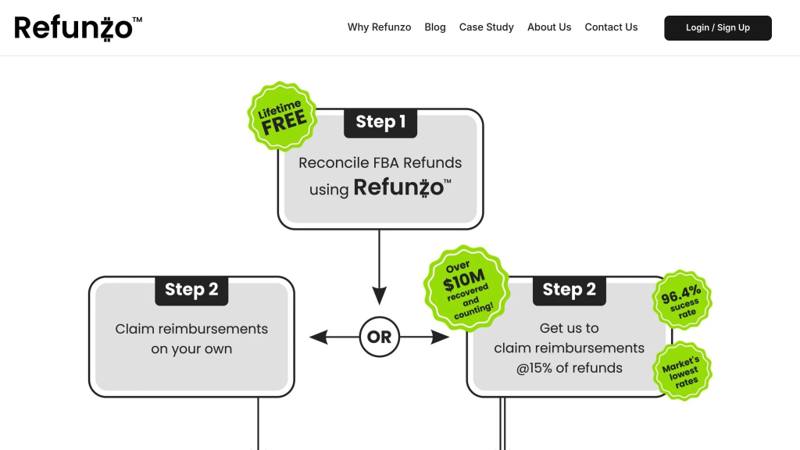
Given these updates, specialized tools are no longer optional - they're necessary. Platforms like Refunzo can simplify claim tracking and documentation, while also offering commission-based filing services.
Here are some best practices to help you stay ahead:
Use Amazon's new portal to submit manufacturing cost data.
Set up automated reminders for claim deadlines.
Keep detailed records of inventory movements.
Document manufacturing costs meticulously.
Save all communications related to claims.
Combining automation tools with strict adherence to Amazon's updated policies will be the key to recovering reimbursements effectively. Acting quickly within the 60-day window is essential to maximize your claims.